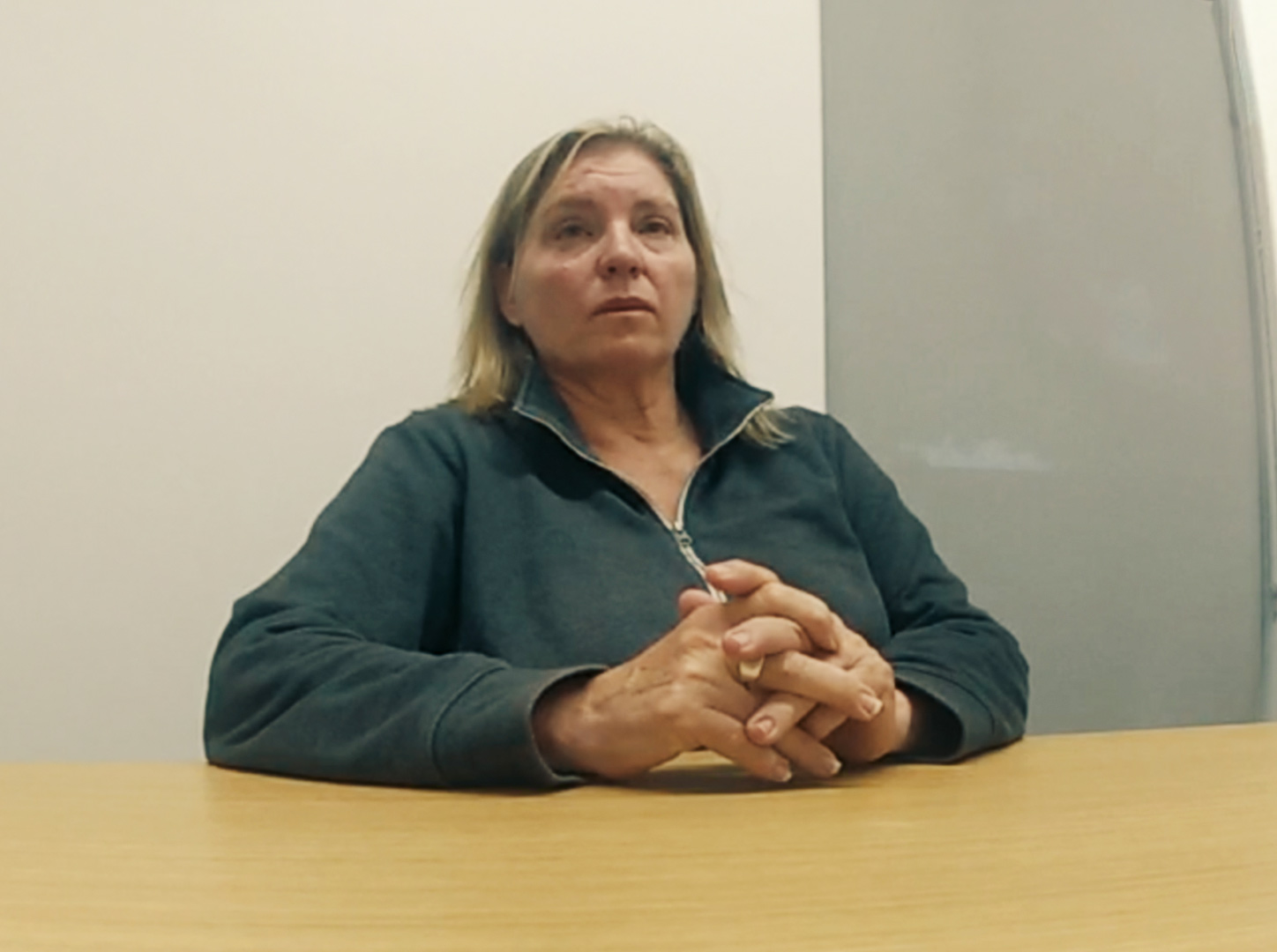
Netflix is great at pumping out documentaries that make you want to hold your nose and bemoan the state of humanity. The latest in that cheerful vein is an investigation into the shocking story of Jodi Hildebrandt. The first word of this film’s title—Evil Influencer: The Jodi Hildebrandt Story—gives a pretty clear indication of what the creators think of their subject, though, to be fair, few would argue against applying the “e” word, given the nature of the crimes perpetrated by the former Utah-based therapist and life coach. Many of which fall under the banner of child abuse—including physical torture, psychological abuse, and starvation and dehydration.
Evil Influencer: The Jodi Hildebrandt Story

Hildebrandt, as we learn in the film, is a Mormon who made a name for herself on social media, amassing a large following by preaching parental and spiritual advice, some of which involved ideas not common in the evangelical community, such as messages like “women can learn to love themselves.” The first words we hear in Evil Influencer are much creepier—the kind that would make most parents want to grab their children and run for the hills: “I love children. I love your children. And I have a very sacred charge to help you protect them.” Eck.
Director Skye Borgman begins with the event that ultimately led to Hildebrandt’s arrest: the discovery of a malnourished, wound-covered 12-year-old boy with duct tape around his ankles. This discovery triggered a search for various missing children and an investigation into Hildebrandt and her property. When police arrived at her multi-million-dollar home, they found a safe door leading into a panic room—which they soon discovered was more like a torture room. It’s around this point in the film that a key interviewee—police officer Jessica Bate, who provides extensive commentary throughout—describes the case as a “crazy story.”
She ain’t wrong, even by the generous standards of Netflix, purveyors of documentaries covering the likes of poop cruises, cat abusers, and Tinder swindlers. Perhaps the most surprising thing about Evil Influencer is that it demonstrates a degree of journalistic integrity: not amazingly well-made, but also not the loud, juiced-up round of lewdness the title might suggest. The film is essentially a talking-heads affair, peppered with archival footage and scenic shots of the Utah desert, focused on a relatively small number of interviewees, most of whom crossed paths with Hildebrandt, and several of whom were exploited by her.
We hear, for example, from a married couple whose divorce they attribute to Hildebrandt; they recount how she prosecuted, among other extreme beliefs, the idea that watching pornography once a year constituted an addiction. Borgman’s focus on her subject is almost obsessive, given the many tangential elements that could have been explored; so many potential storylines are left untouched.
Take, for instance, the crossover between evangelism and influencer culture—a fascinating and relatively new phenomenon in human history. It’s part of the story, but the focus remains narrow; the director doesn’t seem interested in drawing a broader picture. Occasionally, she reaches toward wider themes, only to snap back repeatedly to Hildebrandt’s narrative—bringing clarity but lacking the connective tissue that might have elevated this documentary into something exceptional. It’s certainly well-paced, with editing that deftly finds natural points to cut between conversations and keep the story moving—even if it never quite broadens its lens.