Tarantino made a best-of-the-century film list. I made it better
Quentin Tarantino’s century-best list gets turned upside down in Luke Buckmaster’s lively, opinion-soaked re-rank guaranteed to provoke film-lover debate.


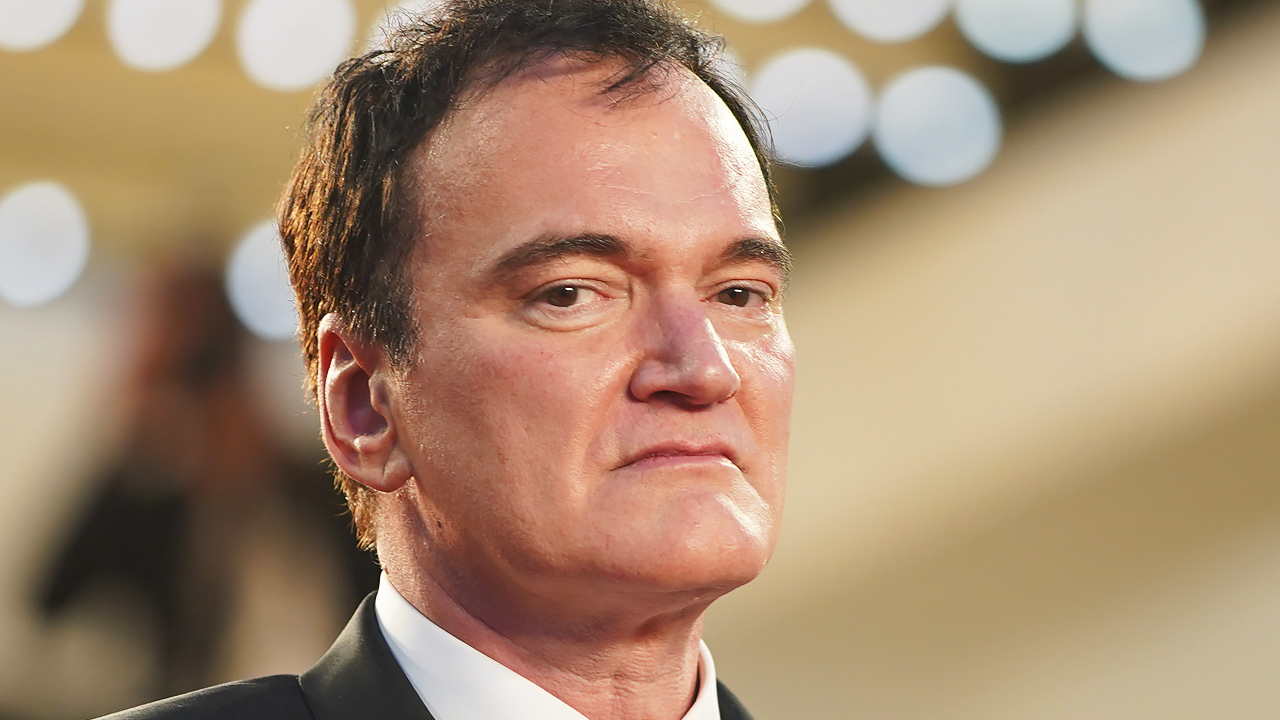
According to Quentin Tarantino, Black Hawk Down is the best film of the century so far. According to Quentin Tarantino, the 10 best films of this century are all English-language productions. And according to Quentin Tarantino, four—possibly five, if you count Shaun of the Dead—are action movies.
The words “according to Quentin Tarantino” would no doubt please the great auteur, cinephile, and conversationalist. He loves delivering good sound bite, and seems to live by Oscar Wilde’s wisdom about fame and notoriety: that “there is only one thing in life worse than being talked about, and that is not being talked about.”
If you’re familiar with QT’s picks from previous years, you’ll know he has a soft spot for genre films—which, of course, comes through in his own work. His selections, recently announced on The Bret Easton Ellis Podcast, should—like any other “best of” list—be treated first and foremost as a conversation starter: something to spark debate rather than a definitive ranking handed down from on high.
We all have our favourites: the films that move and shake us. From the last quarter-century, mine include Mulholland Dr., Children of Men, Spirited Away, In the Mood for Love, The Babadook, O Brother, Where Art Thou?, Parasite, Bernie, Boyhood, Portrait of a Lady on Fire and Caché, among many others—several of which overlap with QT’s choices, such as There Will Be Blood, Lost in Translation, and Midnight in Paris.
In that conversational, my-take/your-take spirit, I’ve imagined a hypothetical world in which the titles QT listed were the only movies made this century. What order would I put them in? Good question. Here you go…
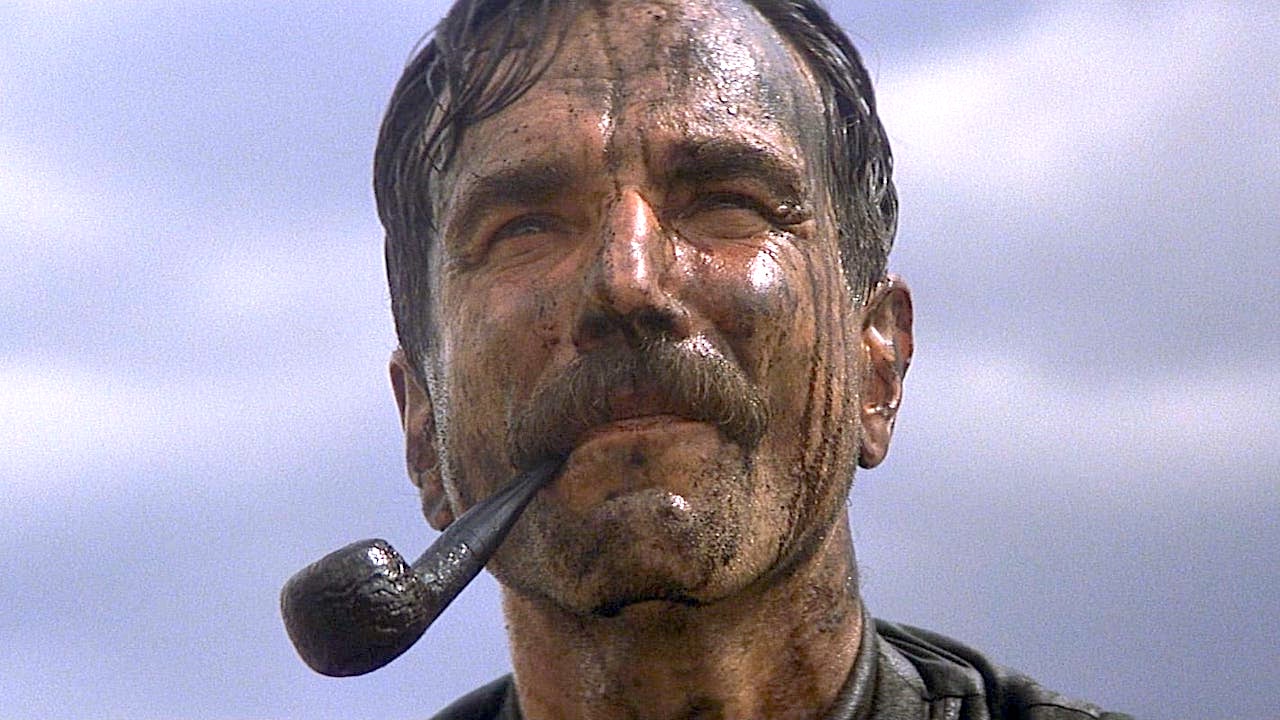
1. There Will Be Blood (not #5)


Sure: art is subjective, everyone has their own biases and preconceptions, we all see things from different perspectives etcetera etcetera. But anyone who doesn’t recognise Paul Thomas Anderson’s drama about silver-miner-turned–oil baron Daniel Plainview (Daniel Day-Lewis) as a bona fide masterpiece should be thrown in a gulag.
The film is compelling on purely narrative terms, but its real power—in addition to its superb aesthetics and staging—lies in how the story connects to big, meaty themes at the core of the American psyche i.e. capitalism and the birth of modern business, the tension between religion and industry, oil as a metaphor for violence, and the gulf between financial and moral progress. There Will Be Blood has been, and will continue to be, pored over, picked apart, and reinterpreted by the zeitgeist, inevitably meaning different things at different times.
Oh, and Tarantino’s recent disparaging comments about Paul Dano’s performance are complete BS. Dano is superb as pastor Eli Sunday, bringing a twitchy, manipulative strain of self-righteousness. You’re never quite sure who this man is or what he’s capable of—but you can’t look away.
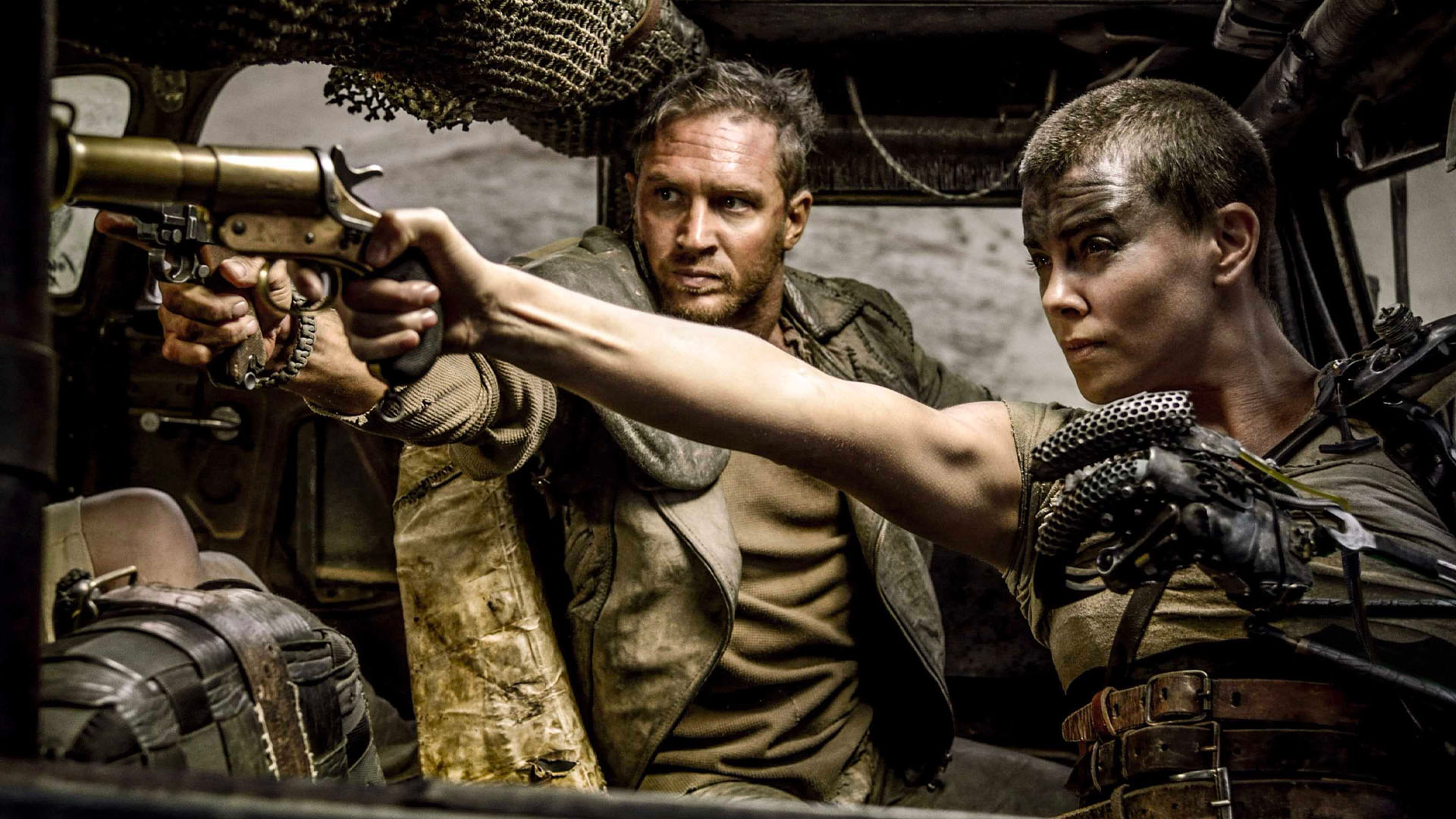
2. Mad Max: Fury Road (not #8)


Witness! I literally wrote the book on Mad Max and have seen this film—the most elaborate production ever made about a U-turn—more times than I can count. I’d happily watch it again any day.
What keeps it truly roaring is the pace: Fury Road has an astonishing full-throttle momentum, as if you’ve been wedged into one of its souped-up, freaky-deaky vehicles with the window wound down. It’s a brilliant example of on-the-run storytelling, folding character development into constant motion—of the plot, of the characters’ shifting circumstances, and of the machines they hoon around in.
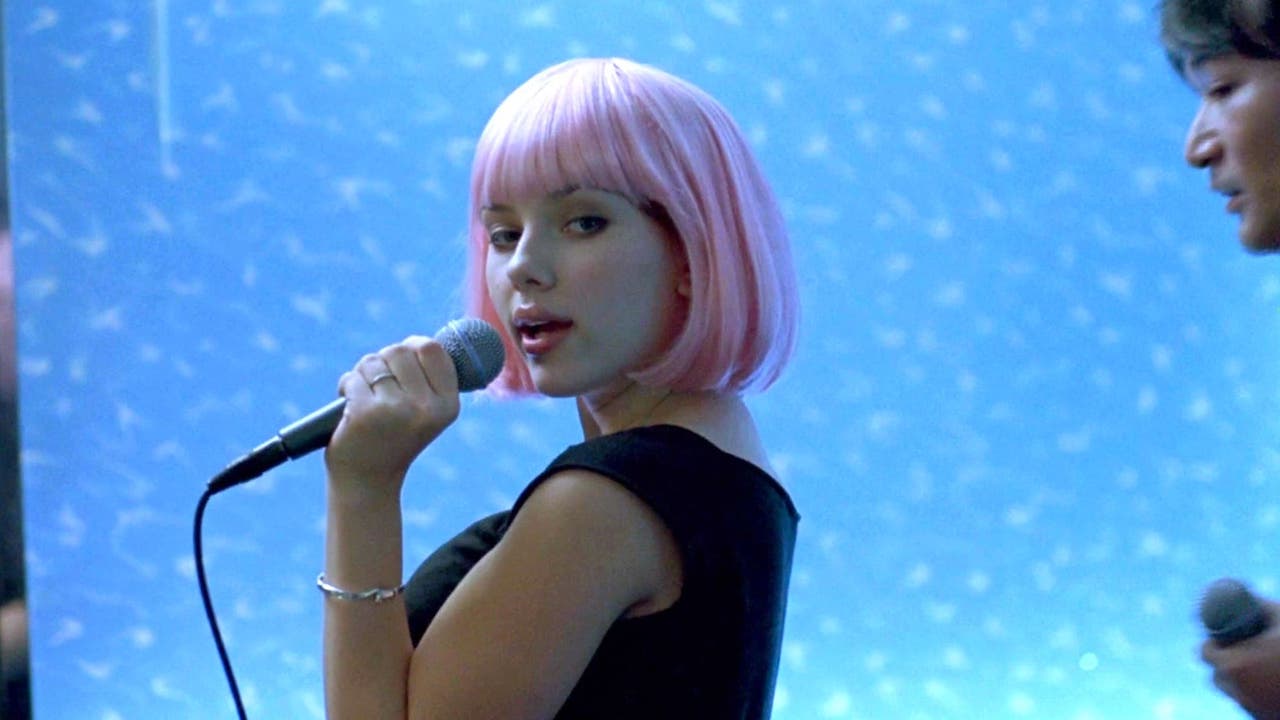
3. Lost in Translation (same rank as QT)


Sofia Coppola’s superb comedy-drama about two strangers connecting in Tokyo—one a faded movie star played by Bill Murray, the other a quietly adrift philosophy graduate played by Scarlett Johansson—famously ends with Murray whispering something into his co-star’s ear. We never hear what he says, but I can now reveal the truth: “I had pancakes for breakfast. They were yum.”
But seriously, this is a great film, and it’s amazing how effortlessly it seems to hang together. It feels like Coppola bound its elements together with a magical adhesive, somehow both naturalistic and dreamy, minimalistically staged yet so rich emotionally. Lost in Translation is one of the best films ever made about fleeting intimacy, the sense of closeness between the two leads feeling both accidental and inevitable.
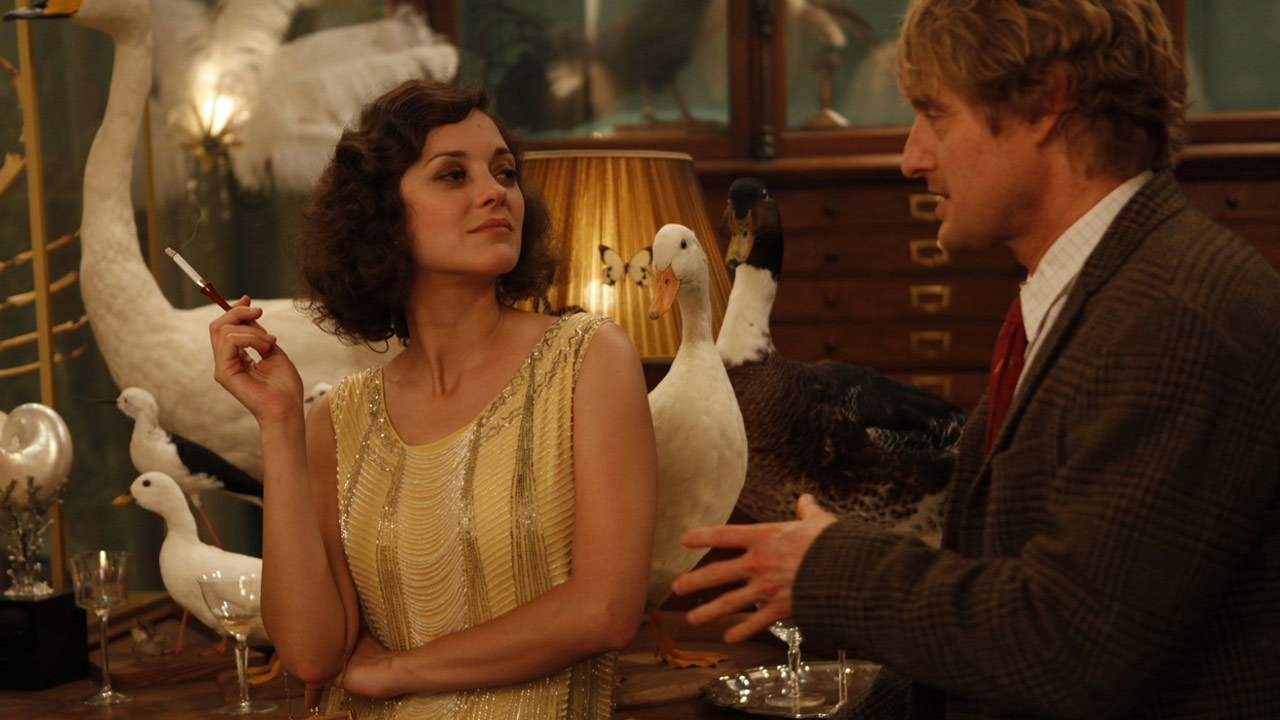
4. Midnight in Paris (not #10)


Part of being a critic involves acknowledging your biases and preconceptions; trying to look at the craft rather than what you’re personally interested in. So I should probably approach Woody Allen’s time-hopping comedy/romance cognizant that I’m a bit of a Francophile, and that some of my best memories are of walking around Paris at night—which is exactly what Owen Wilson does in this film. Then again, pretty much everybody loves Midnight in Paris, right? How could you not?
Linked to the time-travelling premise—with Wilson’s aspiring novelist getting transported back to the roaring ’20s—is the fantasy of meeting one’s heroes, here in the context of literary greats and other legendary artists i.e. Ernest Hemingway, F. Scott Fitzgerald and Salvador Dali. Watching this film is the cinematic equivalent of drinking a delectable cocktail.
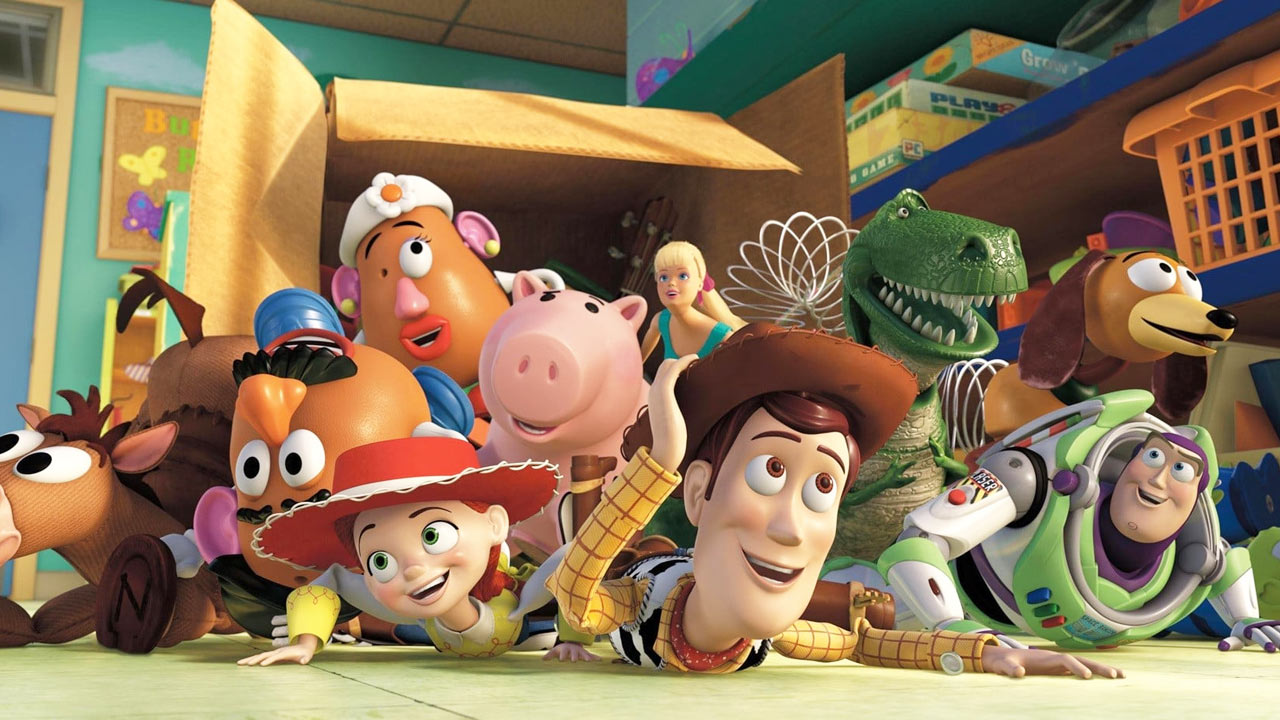
5. Toy Story 3 (not #2)


Has there ever been a better second sequel? The emotional pull of the third Pixar movie—continuing of course the adventures of Woody (voice of Tom Hanks) and Buzz Lightyear (Tim Allen)—is so strong it quickly became known as the animated movie that made adult men cry. I could claim that, after many years as a critic, my impenetrably thick skin made me impervious to such sentiments, but that would be denying the blubbery mess I became.
There’s something very special going on here, some alchemic mixture of emotional properties, tapping into deep formative experiences and associated issues, including confronting the end of childhood: saying goodbye to the thing that made us who we are, while also knowing that we carry them with us forever.
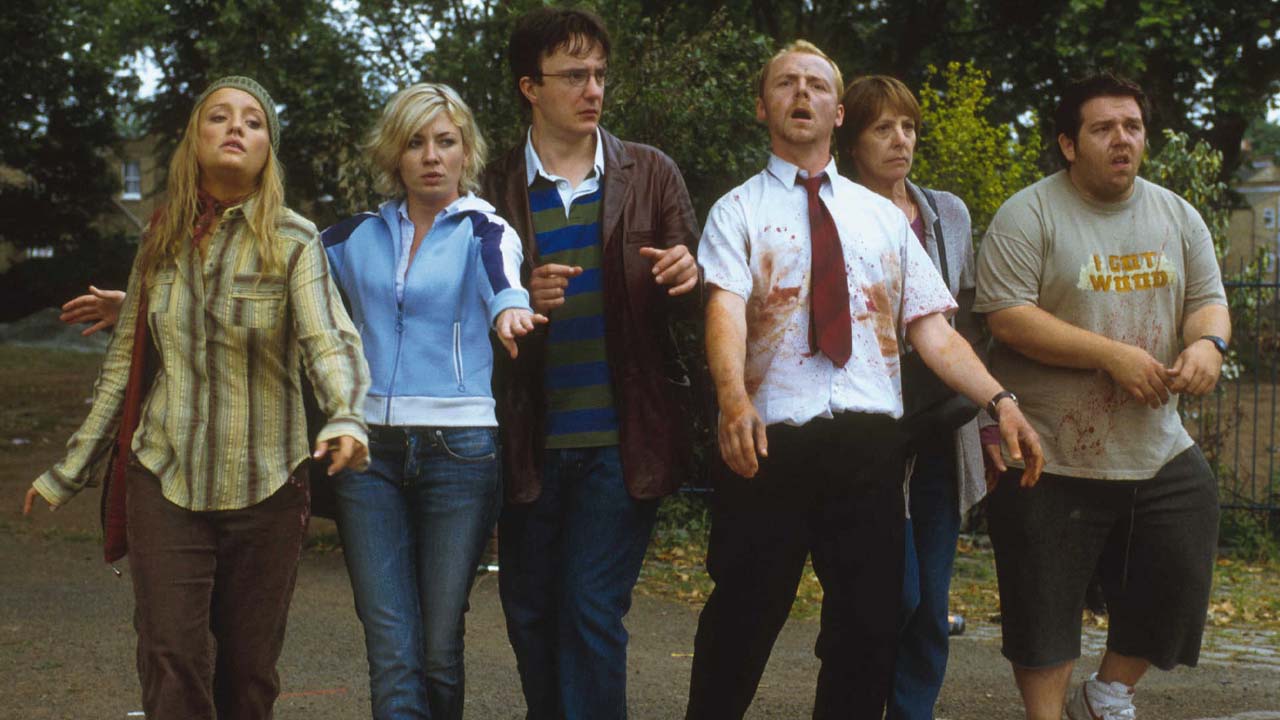
6. Shaun of the Dead (not #9)

You’ve got red on you! The first film in Edgar Wright’s fabulous Cornetto trilogy is much daffier than any other title on this list, though it still reflects Tarantino’s penchant for violence, set during a zombie infestation that propels a pathetic man-child salesman (Simon Pegg) into hero status. It’s a very funny film—the world’s first rom-zom-com—and it introduced Wright’s wonderfully distinctive way of using editing for jokes and comedic timing. He continued this in Hot Fuzz and The World’s End, but now seems to have moved onto more conventional editing. That’s a shame.
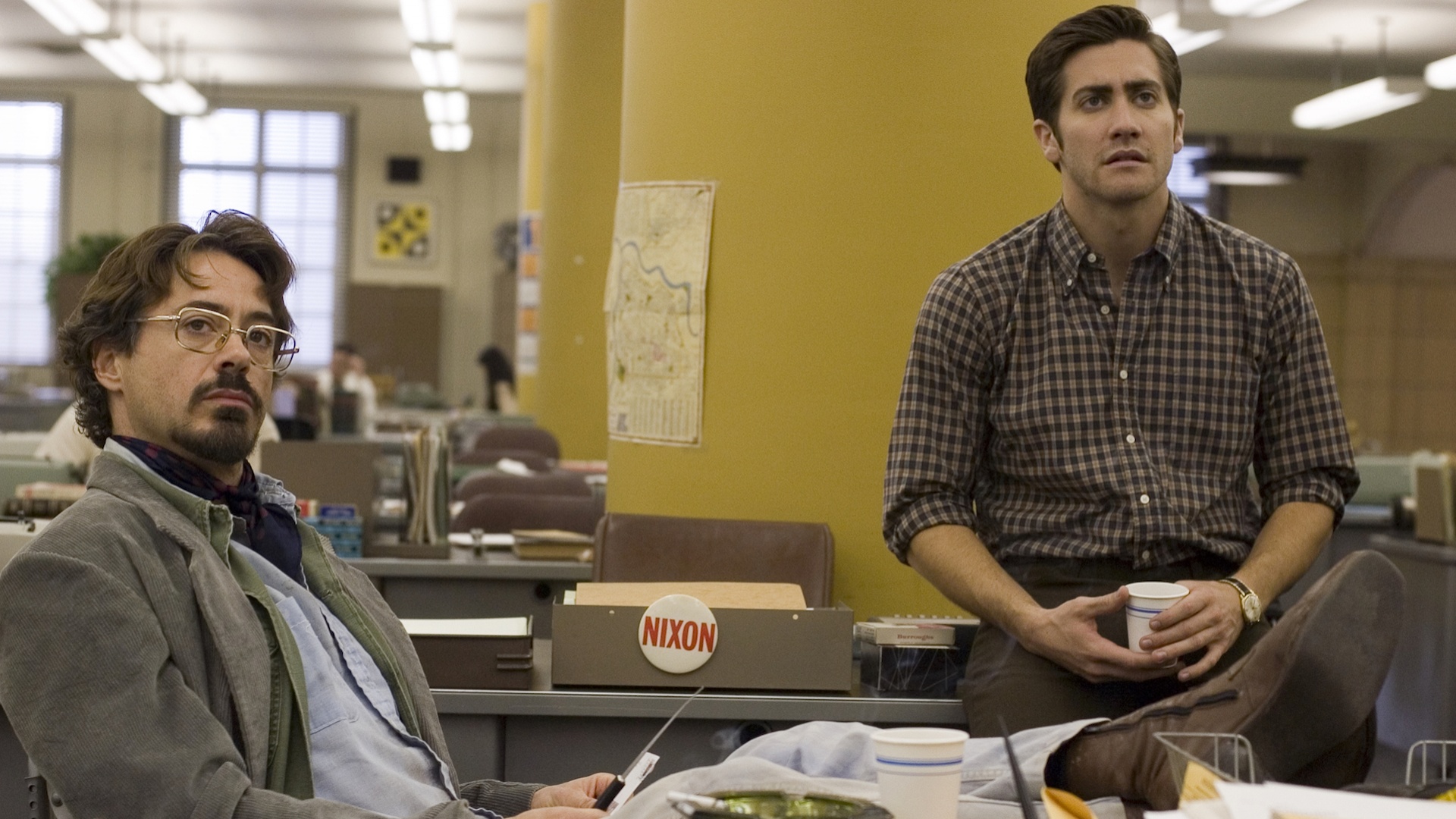
7. Zodiac (not #6)

I rewatched David Fincher’s epic police procedural and investigative drama a couple of weeks ago, and boy does it stand up well. What struck me this time is how unusual it is to have a film with no protagonist. Most people probably remember Jake Gyllenhaal’s cartoonish Robert Graysmith as the main character, but there’s no single perspective from which the narrative unfolds. Just as it took an ensemble effort in real life to track down the Zodiac killer—who has never been identified—the film spreads its attention across cops, journalists, editors, and obsessives, each picking up and dropping threads as the years grind on.
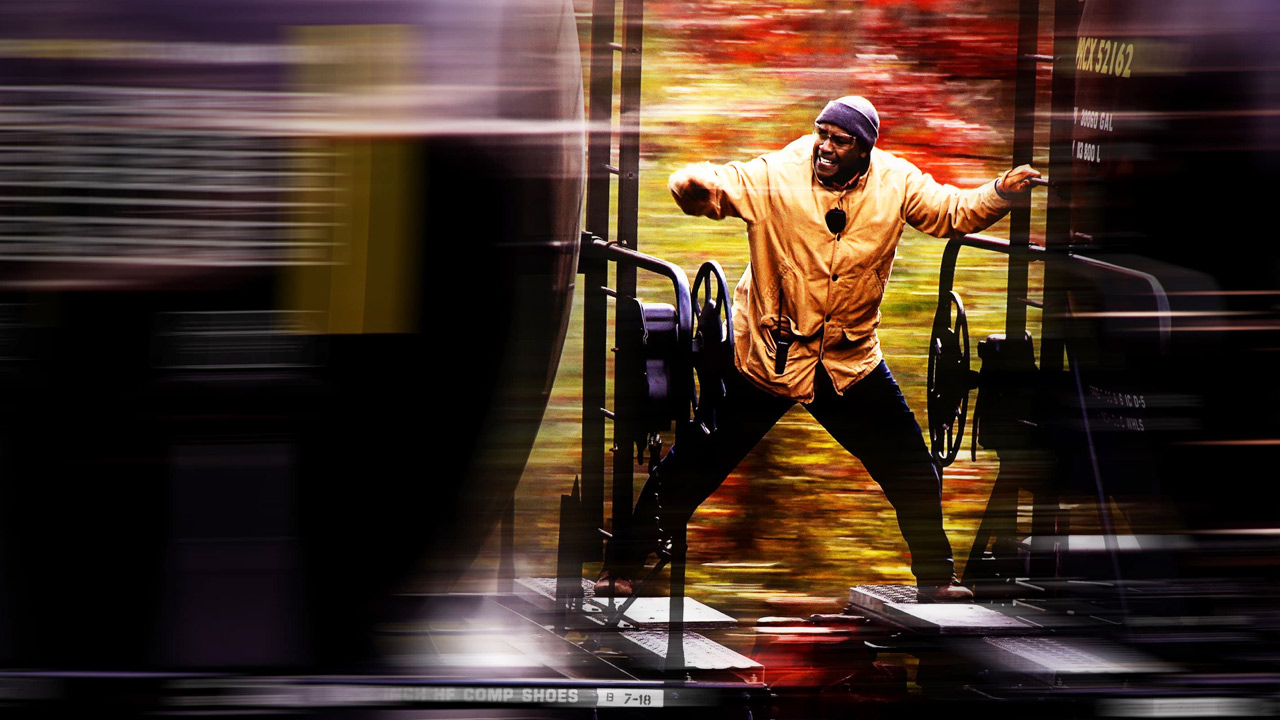
8. Unstoppable (not #7)

What if the bad “guy” in an action movie was…a train! Listing this as one of the best films of the century is a bit rich—saying a lot about QT’s predilections—but it’s still pretty damn good. Tony Scott’s leanly scripted, maximally staged spectacle stars Denzel Washington and Chris Pine as an engineer and conductor respectively, tasked with the rather difficult job of stopping a runaway freight train loaded with toxic chemicals.
A couple of years ago I included Unstoppable on a list unpacking great action scenes on trains, writing that Scott “builds a pace that escalates very impressively” and conjures “a furious synergy of form and content.”
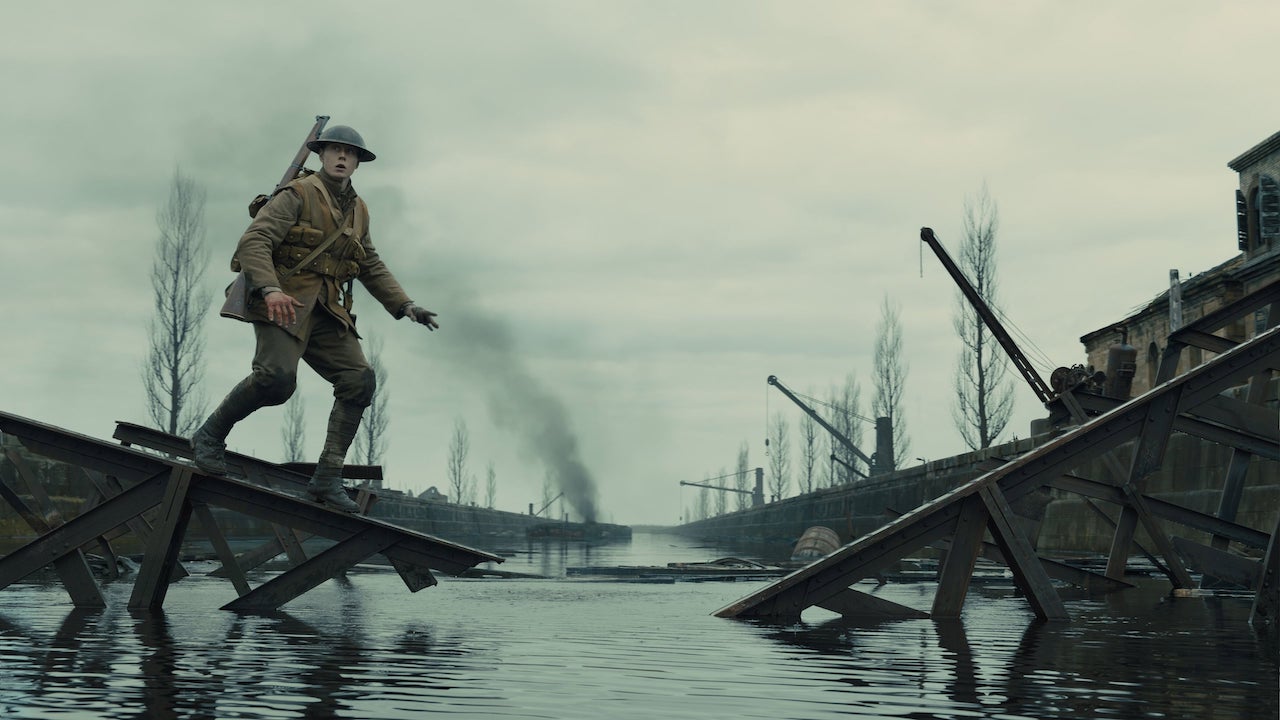
9. Dunkirk (not #4)
On my ranked list of every Christopher Nolan movie, I put Dunkirk at #6, behind five other Nolan productions released this century. That should tell you what I think about this pick: not only is it not one of the century’s best films, it’s not even one of Nolan’s. Which is not to say that I don’t like it.
As I wrote: “It’s a curiously adrift war picture. Sometimes it’s where the action is, not when it is…There’s no clear anchoring performance. Sometimes it’s on the ground, sometimes on the water, sometimes whizzing around with Tom Hardy’s RAF pilot in the sky. Despite or in addition to the sound and fury, the direction is elegant.”
10. Black Hawk Down (not #1)
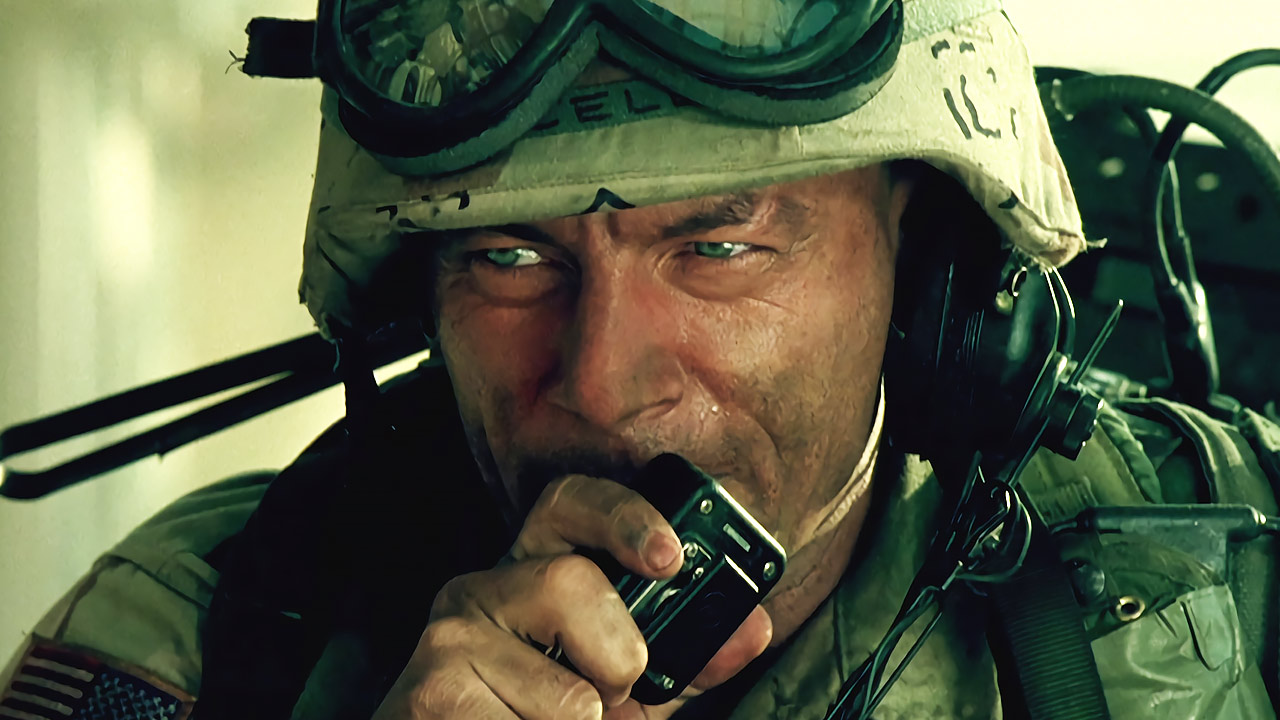
This film gives me a headache; this film gives me tinnitus. The best of the century—or one of the most macho, chest-beating war productions ever made? Many will be compelled to watch/rewatch Ridley Scott’s gritty account of the a US helicopter shot down during the Somali Civil War, and, I suspect, will be let down by a film choked to the gills with bland characters and drab dialogue; expect lines like “clear the area!”, “we need to haul ass!” and “hold the perimeter!” I get that phrases like this are spoken during military interventions, but an interesting film it does not maketh.
I’ve never liked Black Hawk Down, nor its ideological emphasis on the deaths of fewer than 20 Americans in a raid that killed more than 1,000 Somalis, within a conflict that claimed over 300,000 lives. Having just rewatched it, I do appreciate its tight aesthetic consistency: the film has a tough, coarse, gravelly texture, as if it’s been left out in the sun and trampled on. There’s craft and skill in its construction, certainly—but calling it the best film of the century feels perilously close to trolling.